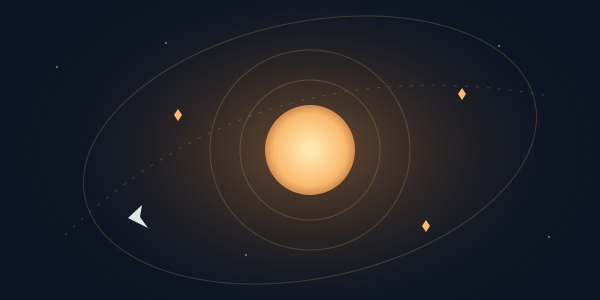
01 / ORBITAL SALVAGE v1.10.2
Afterlight
One skiff. One fading sun. Gather embers, survive three orbital tides and bring the dawn home.
AN EXPERIMENT IN CREATIVE CONTROL
What happens when you let an AI invent and build a game, then keep asking it to improve?
Explore the gamesThe prompts came from a human. The gameplay ideas, code and successive design choices came from the AI.
One skiff. One fading sun. Gather embers, survive three orbital tides and bring the dawn home.

Become a small light in a sleeping garden. Gather sparks, wake three stars and leave the dark in bloom.
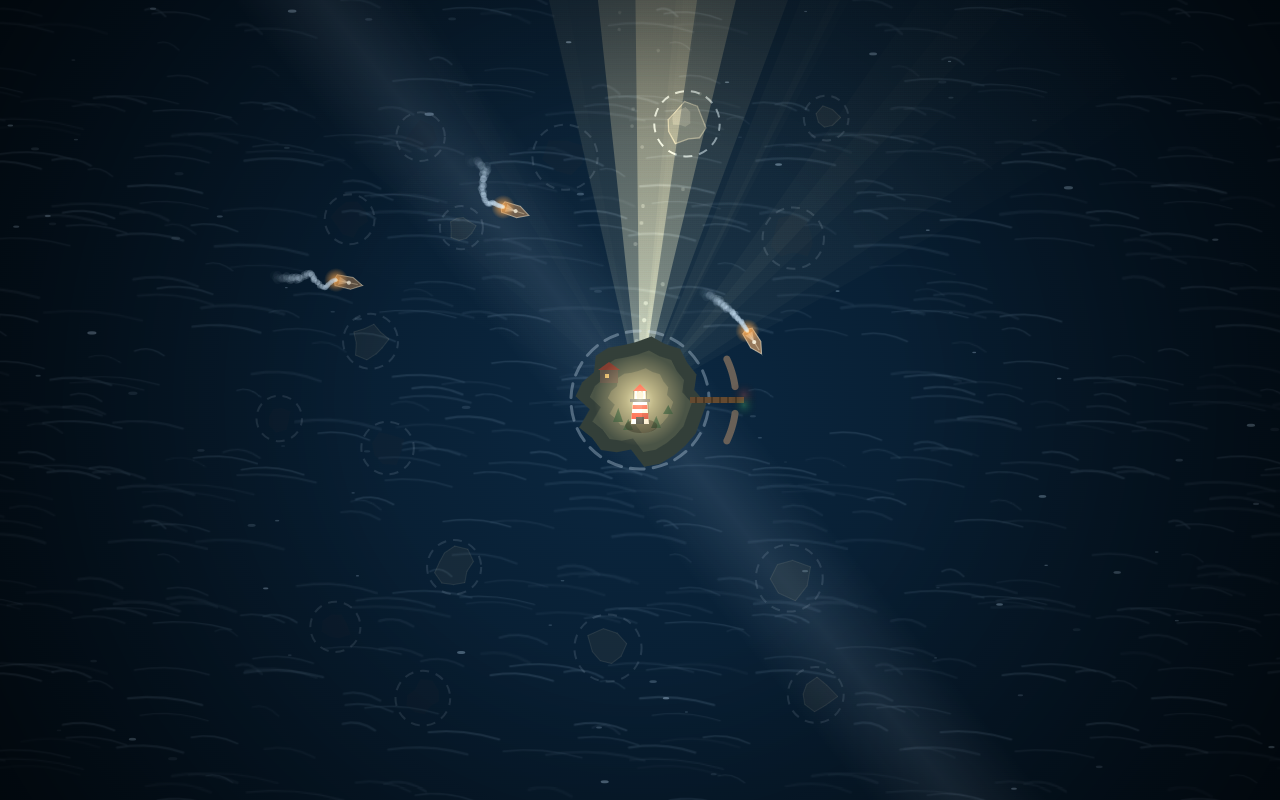
Keep a lighthouse burning. Sweep the beam across ships, guide them past reefs and weather seven nights until dawn.
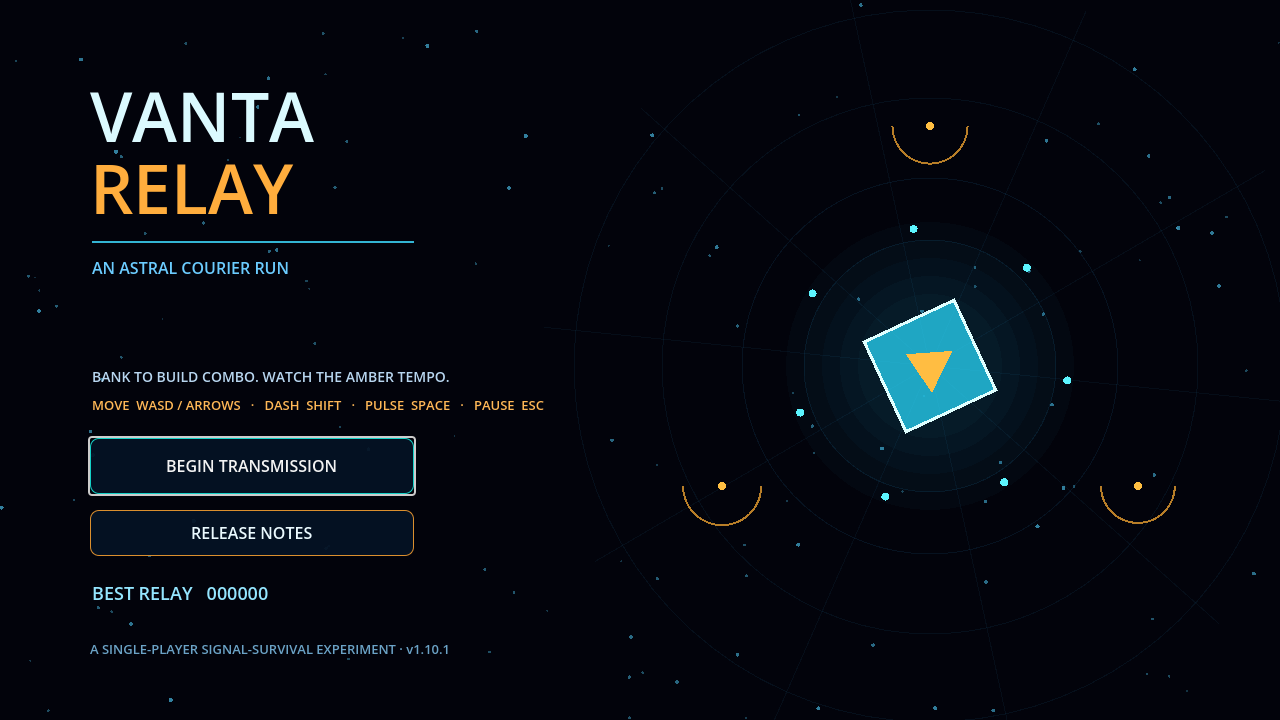
Gather signal shards, dodge hazards and bank charge at rotating relays. Dash, pulse and build a combo before the field overwhelms you.
WHY THIS EXISTS / FROM THE AUTHOR’S FACEBOOK POST
I wondered what a game would look like if I gave ChatGPT the freedom to invent and build it, without steering its gameplay. After that, the instruction was simply “Improve game” or “Improve further.”
Lumenwake was the first experiment. I forgot to request a changelog at the start; later I also asked for explanations of the design decisions. Afterlight began with that more complete prompt, so the diary, decision log and testing were part of the brief from day one.
“Upitao sam se kako bi izgledalo da Četu Đi Pi Tiju dam da sam osmisli i izradi igru, bez ikakvog inputa s moje strane, i da je potom korak po korak unapređuje.”This is an invitation to try the experiment yourself—not a claim that automated iteration guarantees an interesting game.
Imagine, design and implement a visually striking single-player game that runs in an HTML canvas. You have full creative authority over its gameplay, world, mechanics and presentation. Make those decisions yourself without asking me for gameplay direction. Add a button that opens the release notes. For every release, record its version and actual date and time with timezone. Describe the game in the initial entry and changes from the preceding version in subsequent entries. Preserve earlier entries. Record concise design motivations while choosing and implementing the initial game and each improvement: the problem or opportunity, chosen approach, expected benefit and relevant tradeoffs. Distinguish expectations from verified results. Implement and test each revision, update the release notes, and provide a ready-to-publish ZIP with brief publishing instructions.
Then ask: Improve game or Improve further. Stop when you have seen enough—or keep going to find out where it leads.
The game pages list the configured creation model and reasoning effort. Afterlight and Lumenwake’s settings come from saved Codex session metadata; Lightkeep’s Fable 5.1 / High settings were supplied by the author. Lumenwake’s original creation and later improvements used different settings; its story page separates them. Vanta Relay was created with Manus; its exact authoring model and reasoning setting were not exposed in the supplied project. “Effort” is the configured reasoning setting, not a measurement of development time or game quality.
Read the recorded prompts and creation settings →